

Words & Photos Steph Ure
Brisbane Hip-Hop fans flooded to The Triffid Saturday night for a double hitting lineup of hip hop legends. Sydney’s own Nick Bryant-Smith “Solo” opened the night by setting the tone behind the decks before Solo stepped forward with “Melancholaholic”, immediately drawing The Triffid into the slower, soulful side of Australian hip-hop. Brisbane was quick to return the chorus, and from there it felt less like watching an opening act and more like catching up with an artist and a crowd who already understood each other.
After introducing himself and Horrorshow, Solo took a moment to pay respects to Elders and First Nations people before sharing something that gave the entire set another layer. Announcing that 18 years old, he bought himself a ticket to watch Brother Ali perform. Now, years later, he was standing on stage supporting one of his idols and heroes. He dedicated the moment to that 18-year-old version of himself before promising to go hard for him, and hard he went.
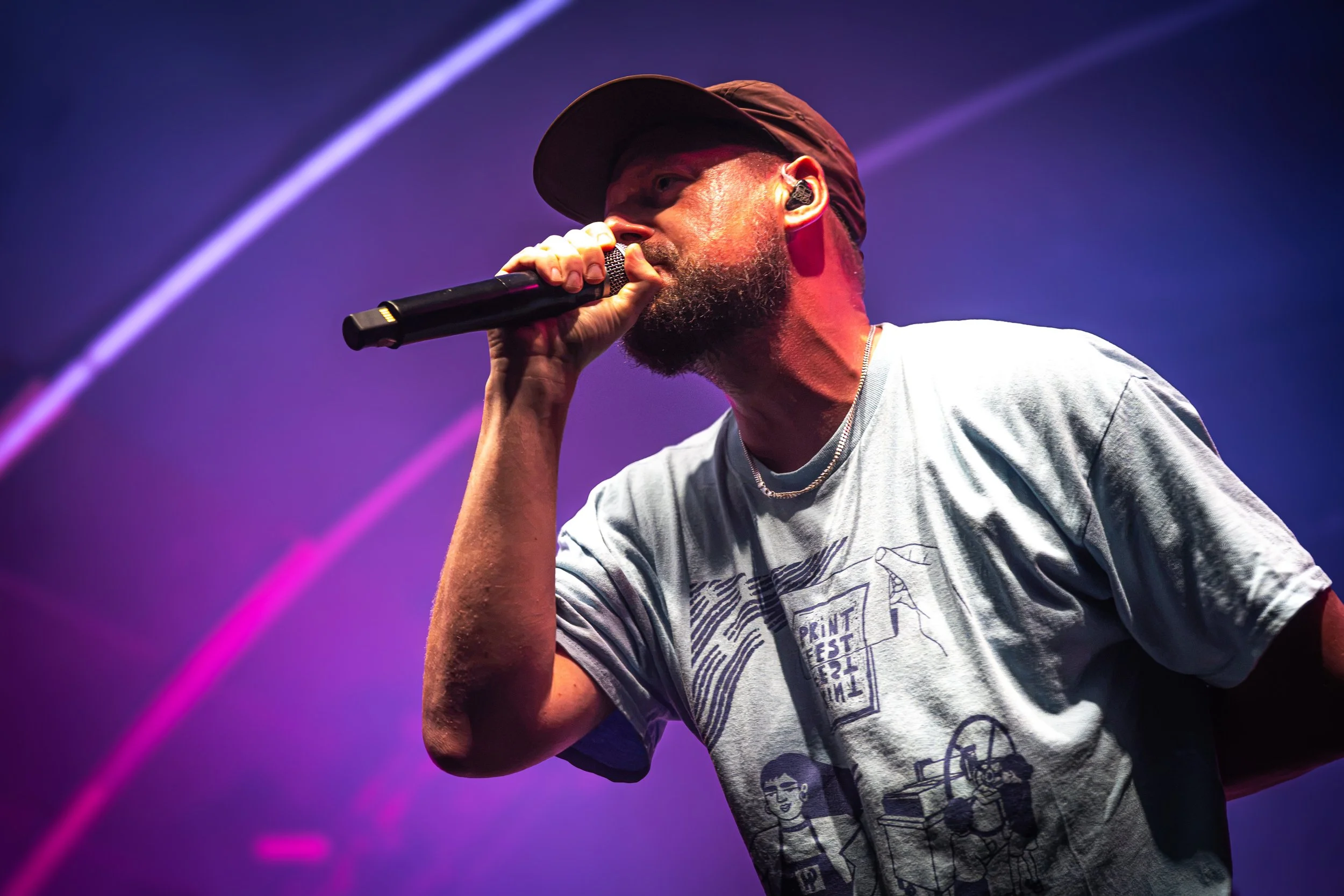
There was something wonderfully comfortable about watching Solo perform. At one point he told Brisbane, “I love Brissy because I know you got soul,” and the room seemed determined to prove him right. This was soul and vibes delivered by a professional who, after all these years, still genuinely appears to love what he does. The crowd could feel it.
The interaction never really stopped. Hands went up, voices came back and, when chants of “encore” started prematurely, Solo was quick to reassure everyone, with a cheeky smile and gentle giggle, that he wasn’t remotely finished yet. There was a tribute to Bill Withers and the legacy left behind by artists whose influence continues well beyond their lifetime, before Solo took us backwards through his own history.
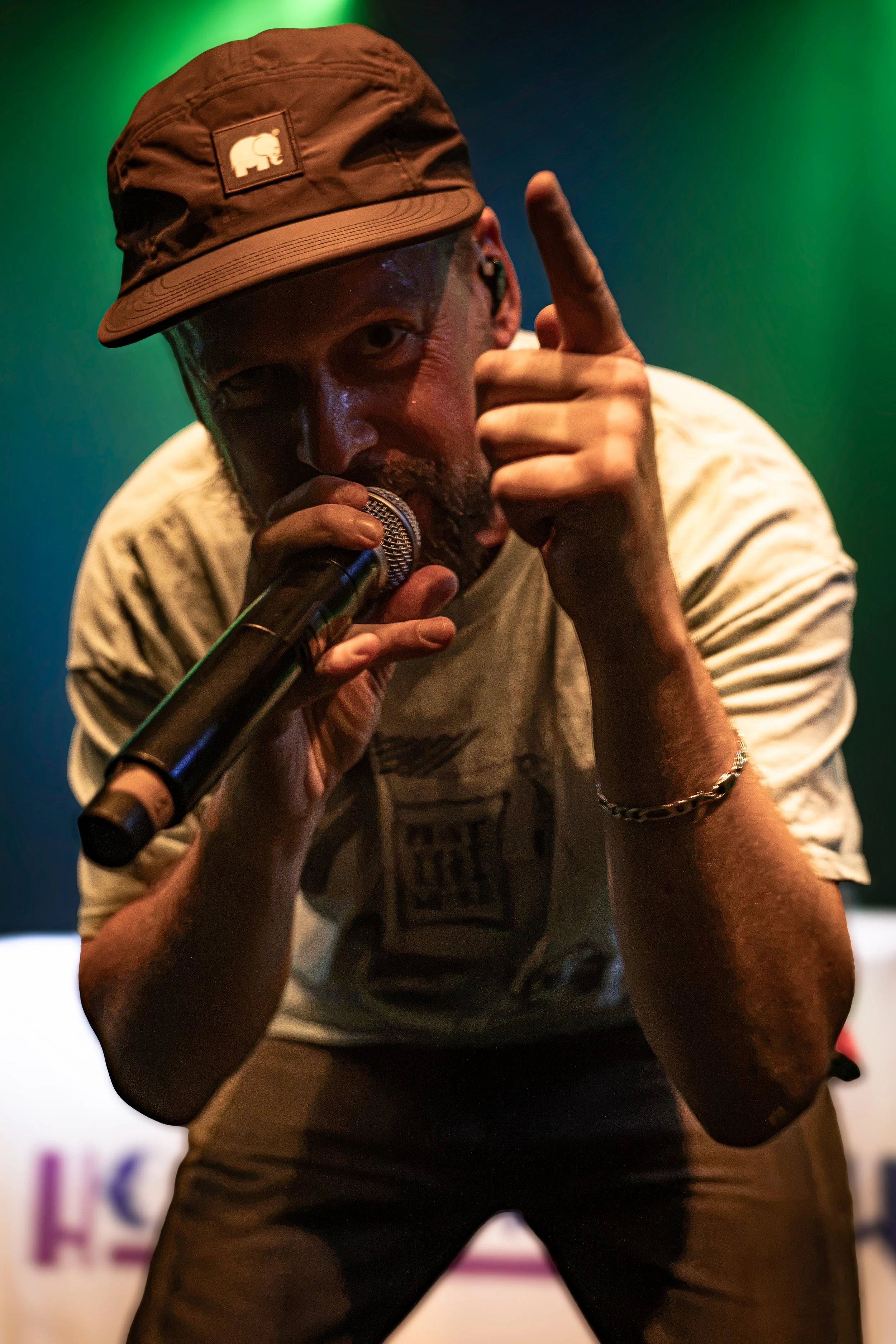
Suddenly, we were back with his 18-year-old self, complete with beatboxing and freestyling, willing to embarrass himself for the sake of the room and clearly having an excellent time doing it. Another section turned towards friendship and the importance of having each other’s backs. The sentiment was simple but landed: we are here together, we look after each other, and sometimes you can read the signs when somebody has simply had a shit day.
“The Rain” provided a particularly emotional moment, and apparently hearing and seeing the community in the room was enough to make this photographer cry behind her camera lens. So much for professional detachment. But that is part of what makes live music worth documenting in the first place; sometimes you stop observing the moment and accidentally become part of it.
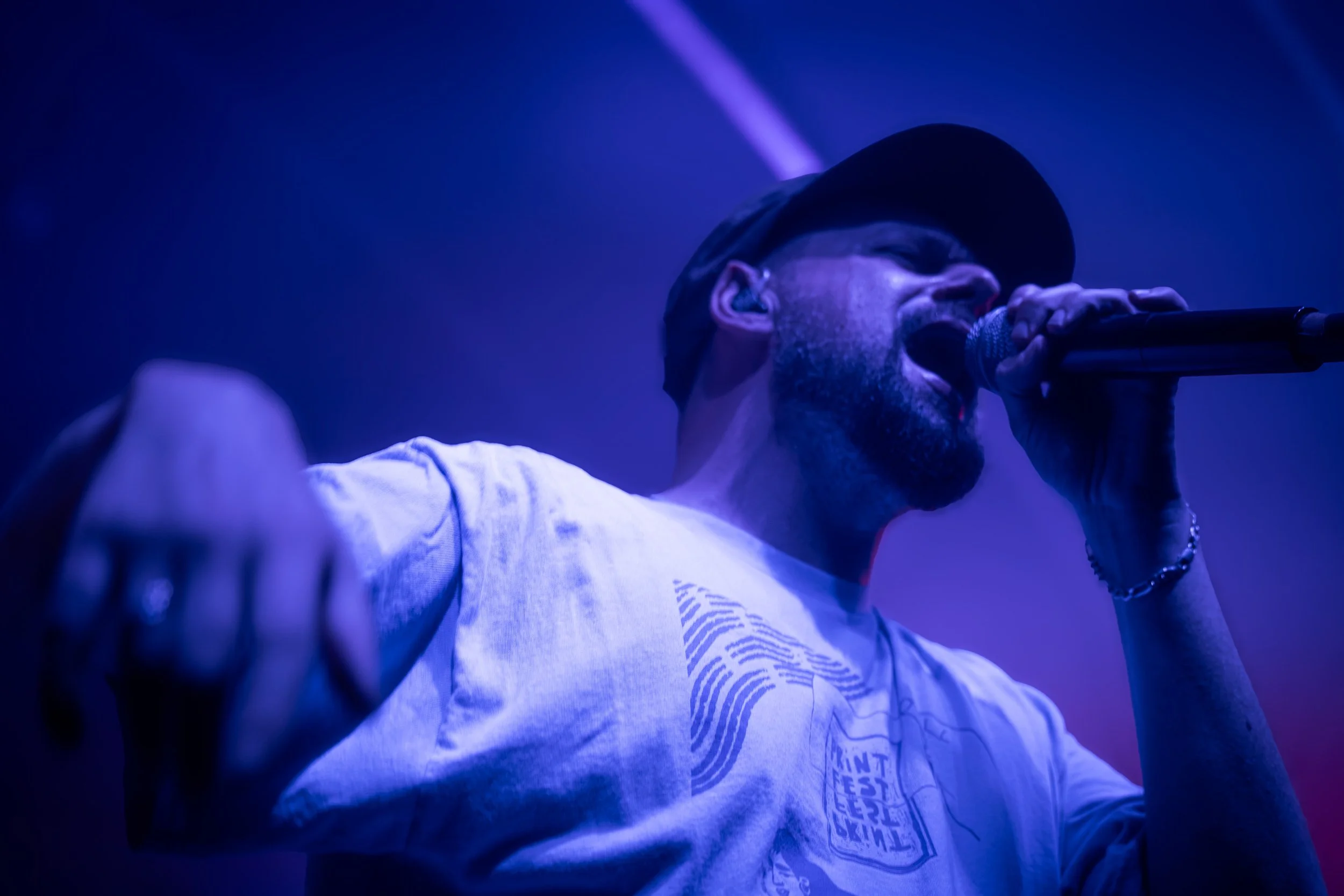
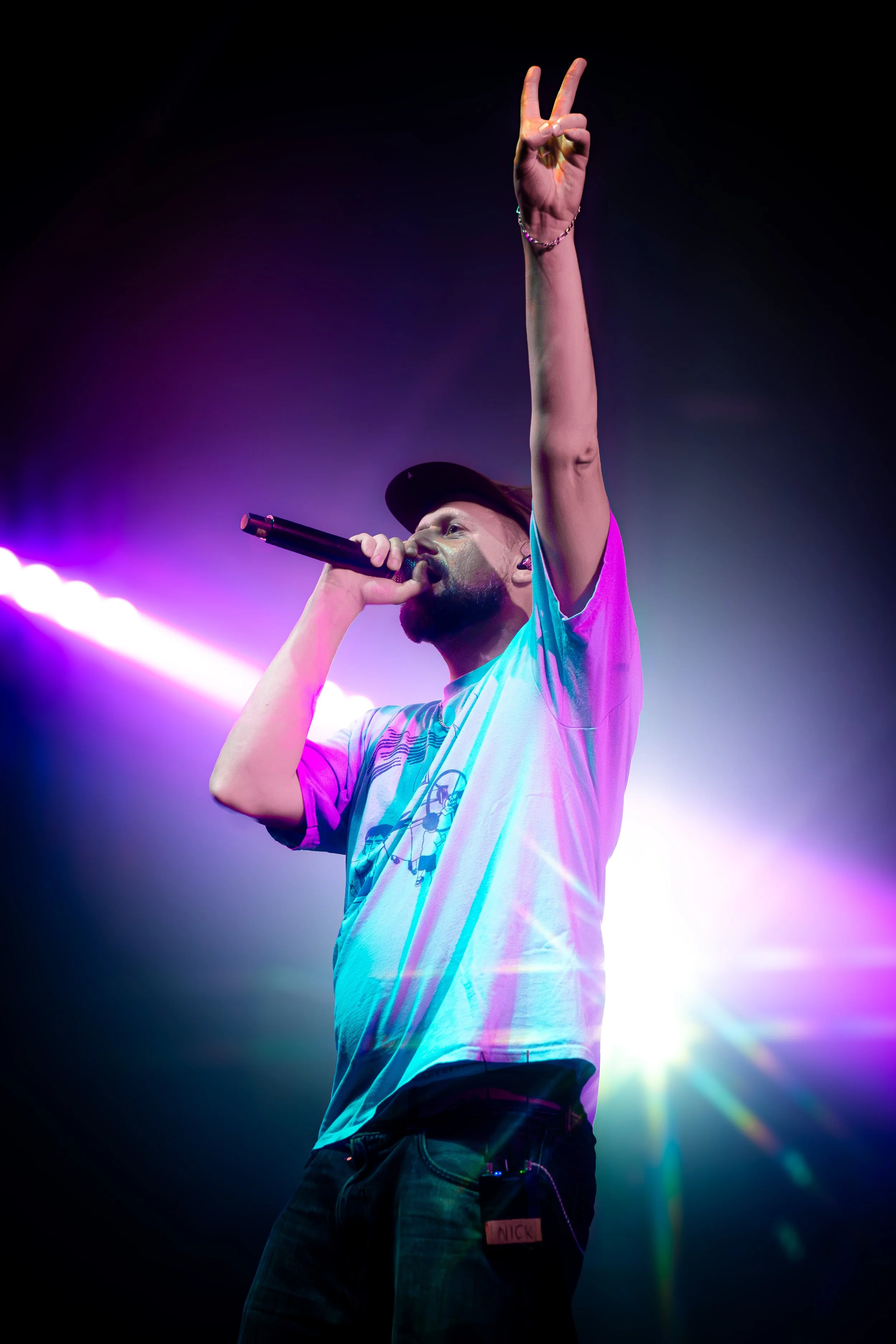
By the final stretch, Solo had the whole room waving their hands in the air “like you do care”. He asked whether Brisbane could handle another couple before Brother Ali and reminded everyone of the pact they had made with his 18-year-old self: there was still energy to burn.
One of the final songs began slowly and quietly, Solo warning us that it would build. When he gave the signal, he wanted The Triffid to go as crazy as possible. The signal came, the room exploded, and he emerged from it declaring, “Fuck yeah Brissy, I felt that in my soul.”
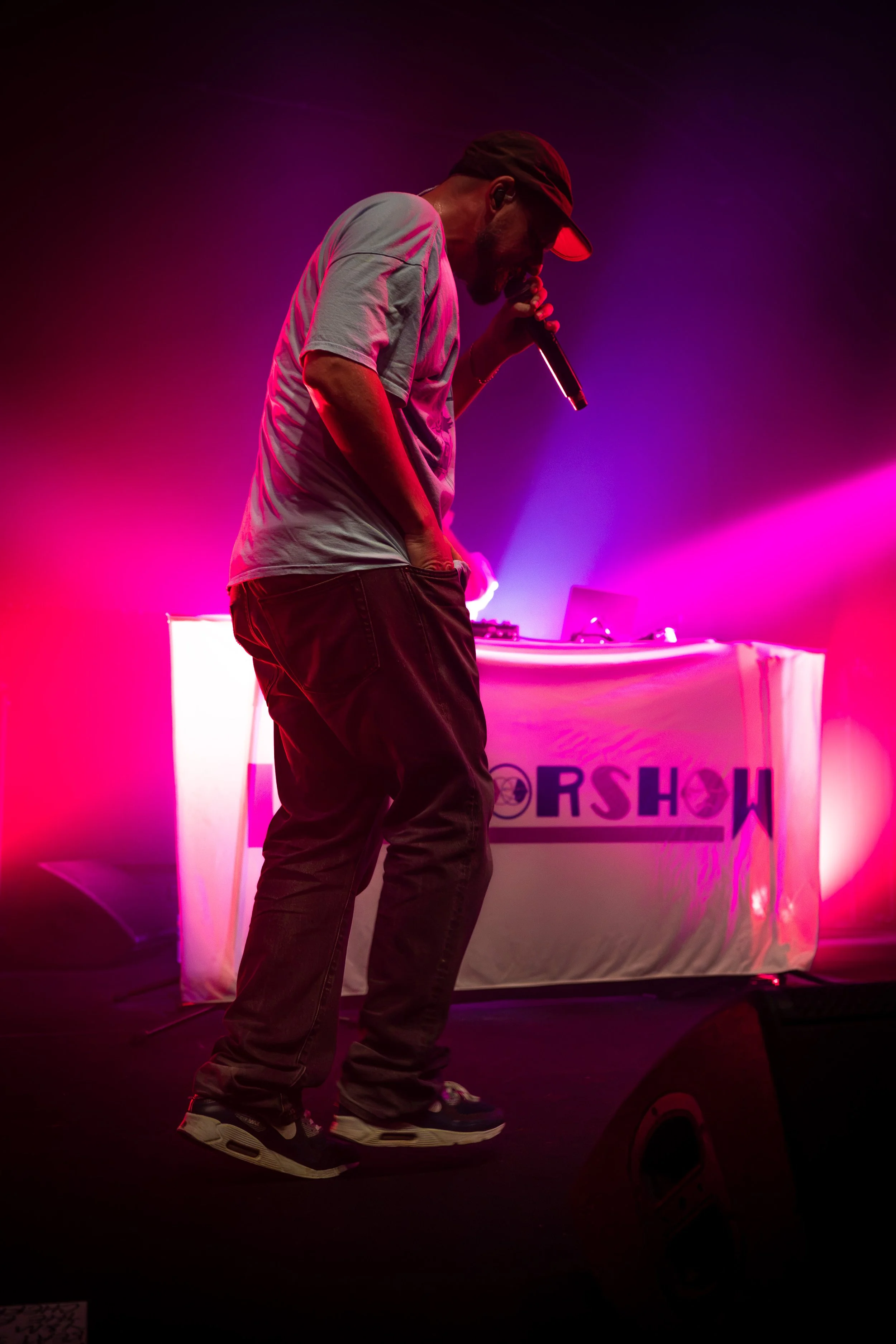
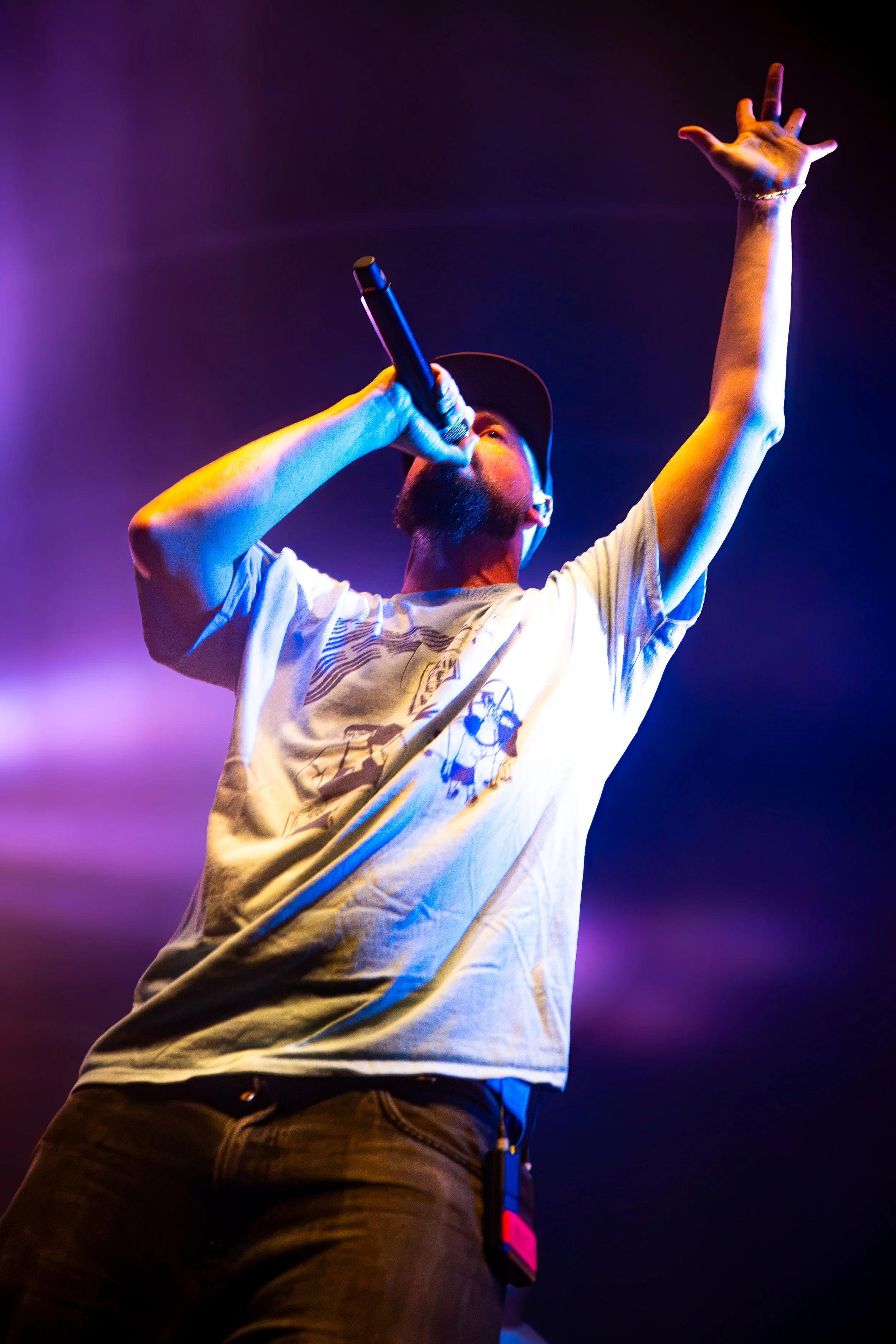
“Cherry Blossom” helped bring Horrorshow towards the end, but not before Solo asked the room to make enough noise to ensure Brother Ali knew exactly what was waiting for him. Thanking Meanjin for having him, he left behind a crowd thoroughly warmed up and ready for the man he had travelled to see himself all those years ago.
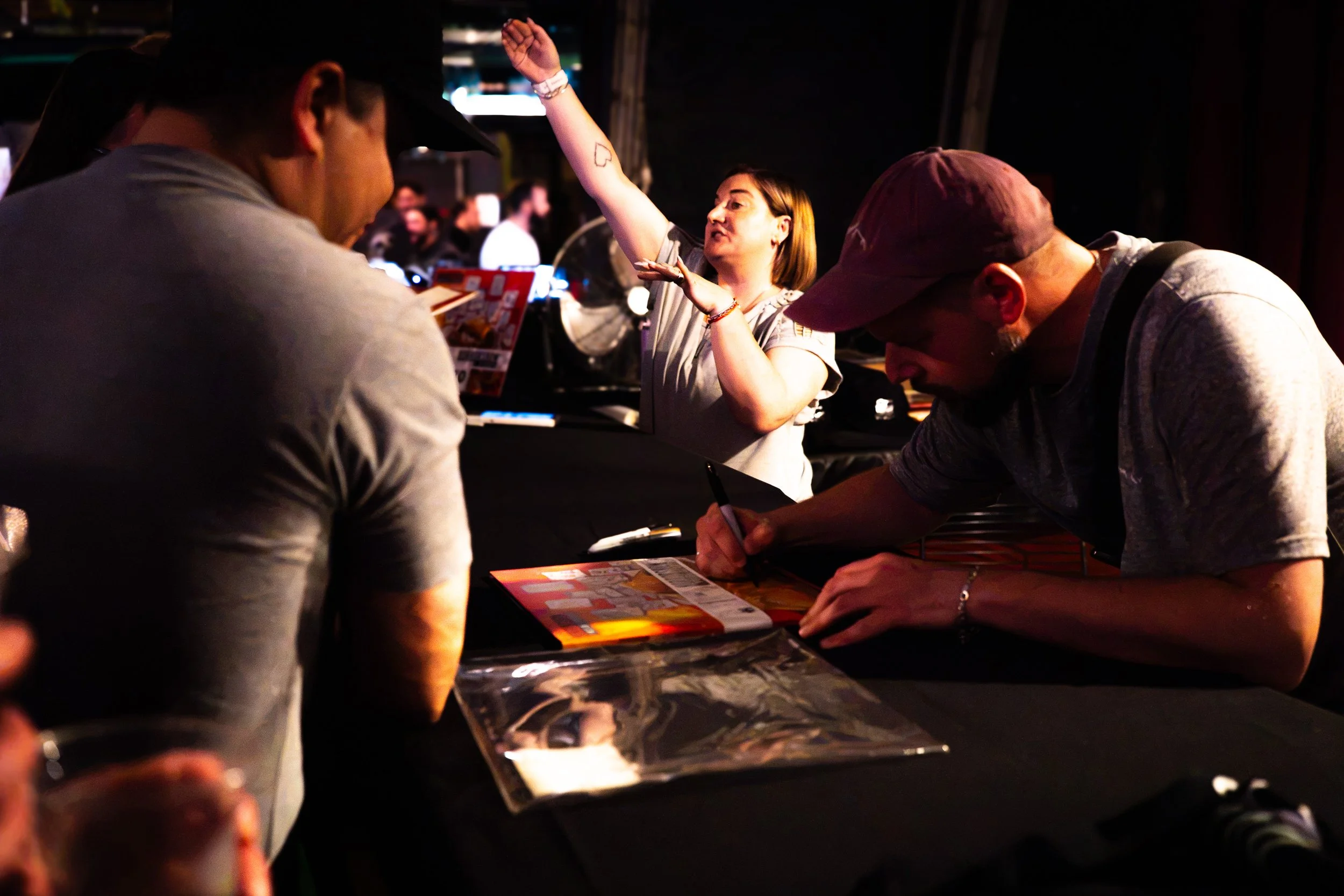
That warmth didn’t disappear when Solo left the stage either. At the end of the night at the merch desk, Nick took the time to speak kindly with everyone coming through, seemingly untouched by the years of success behind Horrorshow. While grabbing my obligatory post-show merchandise, he even stopped to thank the photographer for being “good vibes and coming out to shoot”.
It was a tiny interaction, but watching him offer that same time and kindness to the people around him reinforced everything his set had already communicated. Fame seemingly hasn’t taken away the down-to-earth person underneath it. What a sweetheart.
Then Brother Ali arrived on the stage and somehow lifted the energy again.
“Brisbane, are you in the house tonight? Did you come here to celebrate tonight?”
Yes. Apparently, we fucking did.
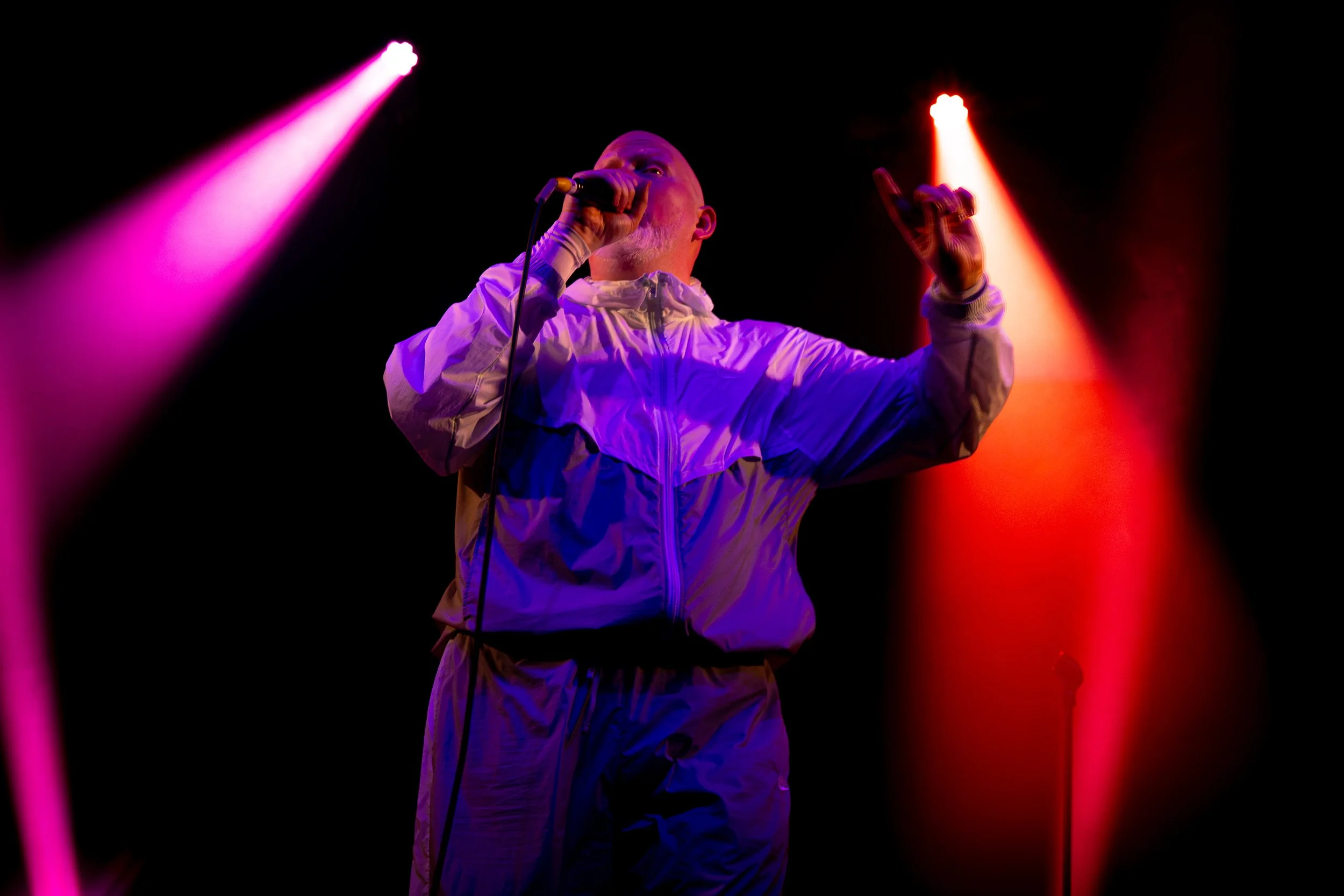
From the first note, Ali commanded the crowd. Dressed simply in white and grey, he didn’t need spectacle around him; his presence did the work. The vibe elevated immediately. This was someone with more than two decades of experience who somehow carried none of the weariness that can occasionally accompany it. He looked genuinely delighted to be there, dancing, joking and creating a room that increasingly felt less like a performance and more like a hip-hop party.
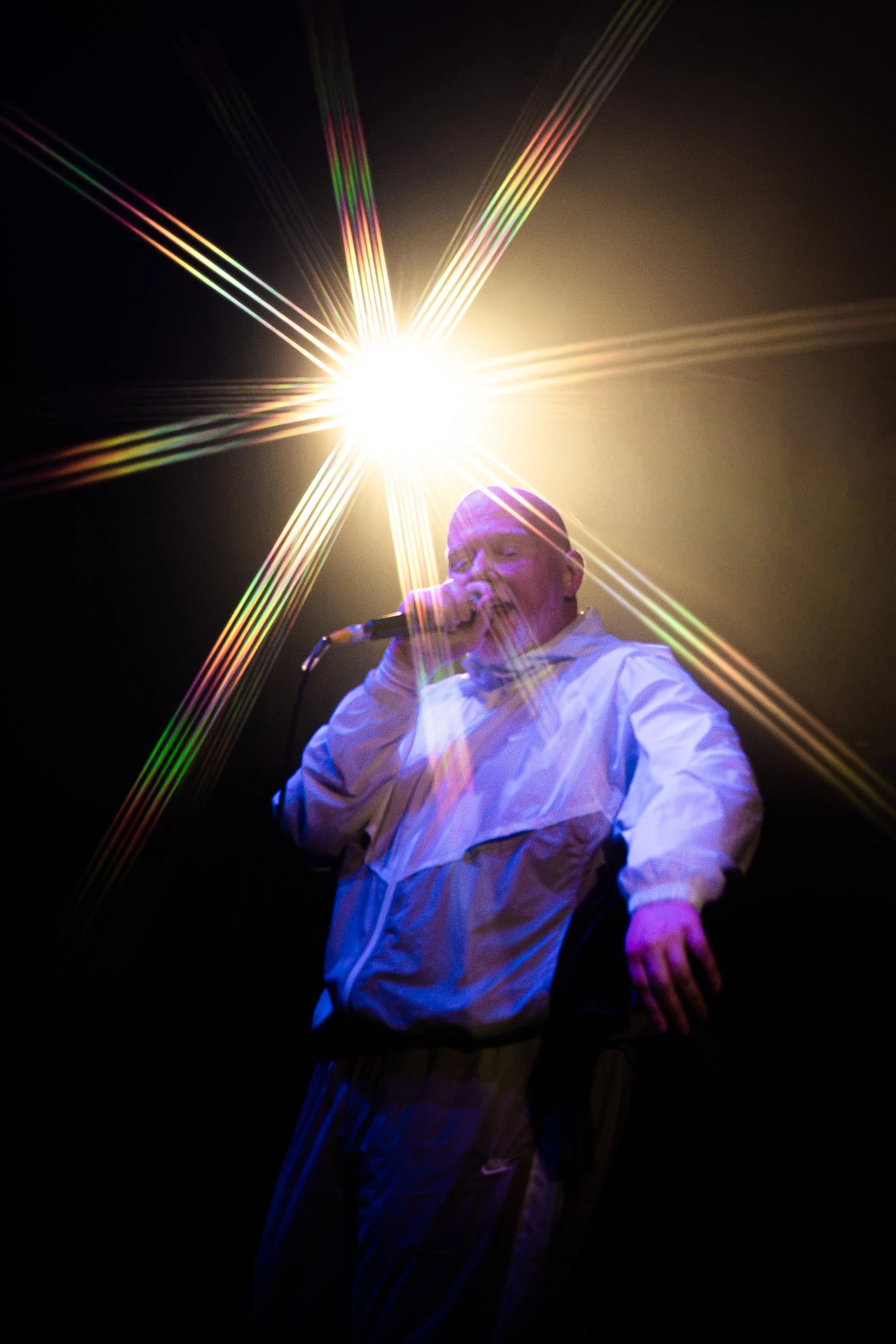
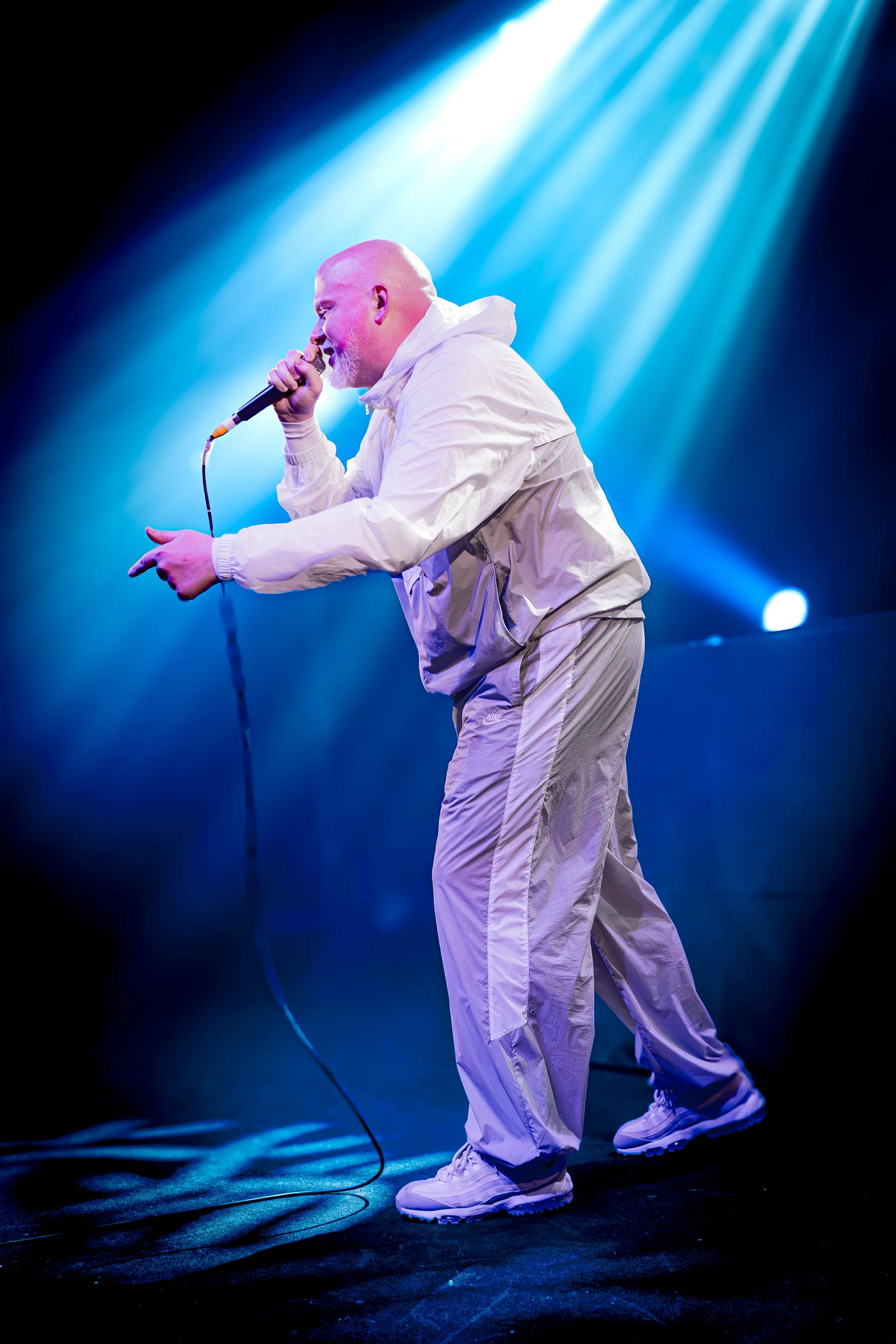
“I’m the luckiest son of a— that’s ever lived,” he told us, and watching him perform, you believed that he believed it.
The crowd participation was relentless. Hands went up. They waved from side to side. Ali called and Brisbane answered. Screams erupted seemingly on command. During “Shadows on the Sun”, the connection between artist and audience was particularly obvious, with Ali even acknowledging Horrorshow mid-song. Hands clapped, bodies moved and lyrics came back at him without hesitation.
He thanked everyone for coming before taking us all the way back through his career, but the mood shifted when Ali addressed the circumstances surrounding his arrival in Australia.
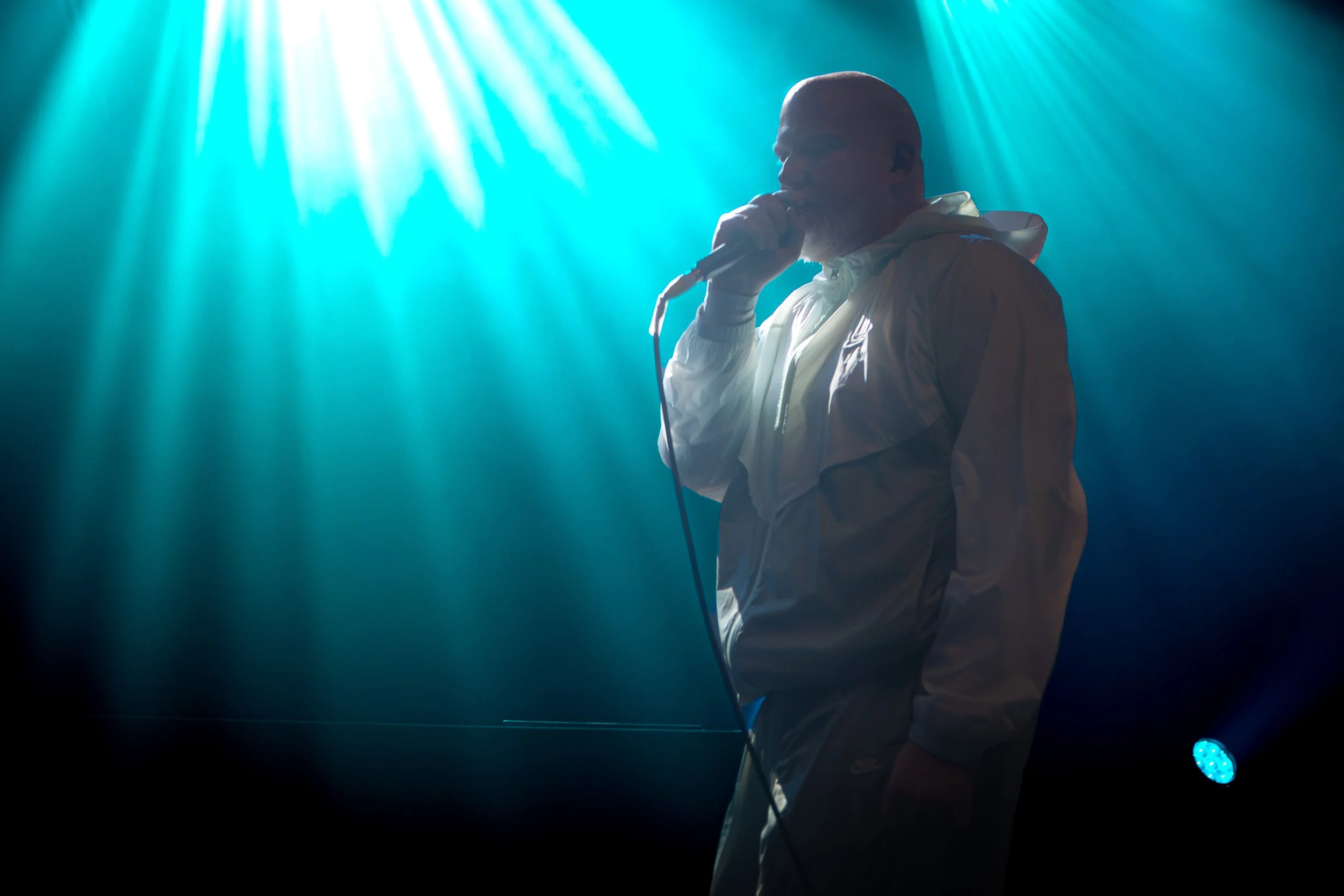
From the stage, Ali told the audience that media coverage had characterised him as antisemitic, supportive of terrorism and someone who promoted hate. According to Ali’s account that night, the situation had placed his Australian visa in jeopardy until close to the last minute. He described being in tears while preparing for the possibility that the tour might not happen, before being asked to quickly provide an explanation of the situation.
Whatever had happened behind the scenes, Ali was clear about the message he wanted to communicate from the stage that night: he rejected the idea that he had come to spread hate.
“If you’re here because you love music, say yes I do.” Brisbane did. Soon the whole room was repeating love back at him. It became almost comically difficult to reconcile accusations of hatred with the man currently orchestrating a room full of strangers into interacting with each other. At one point he instructed everyone to look at somebody they didn’t know, make eye contact and say “love”.
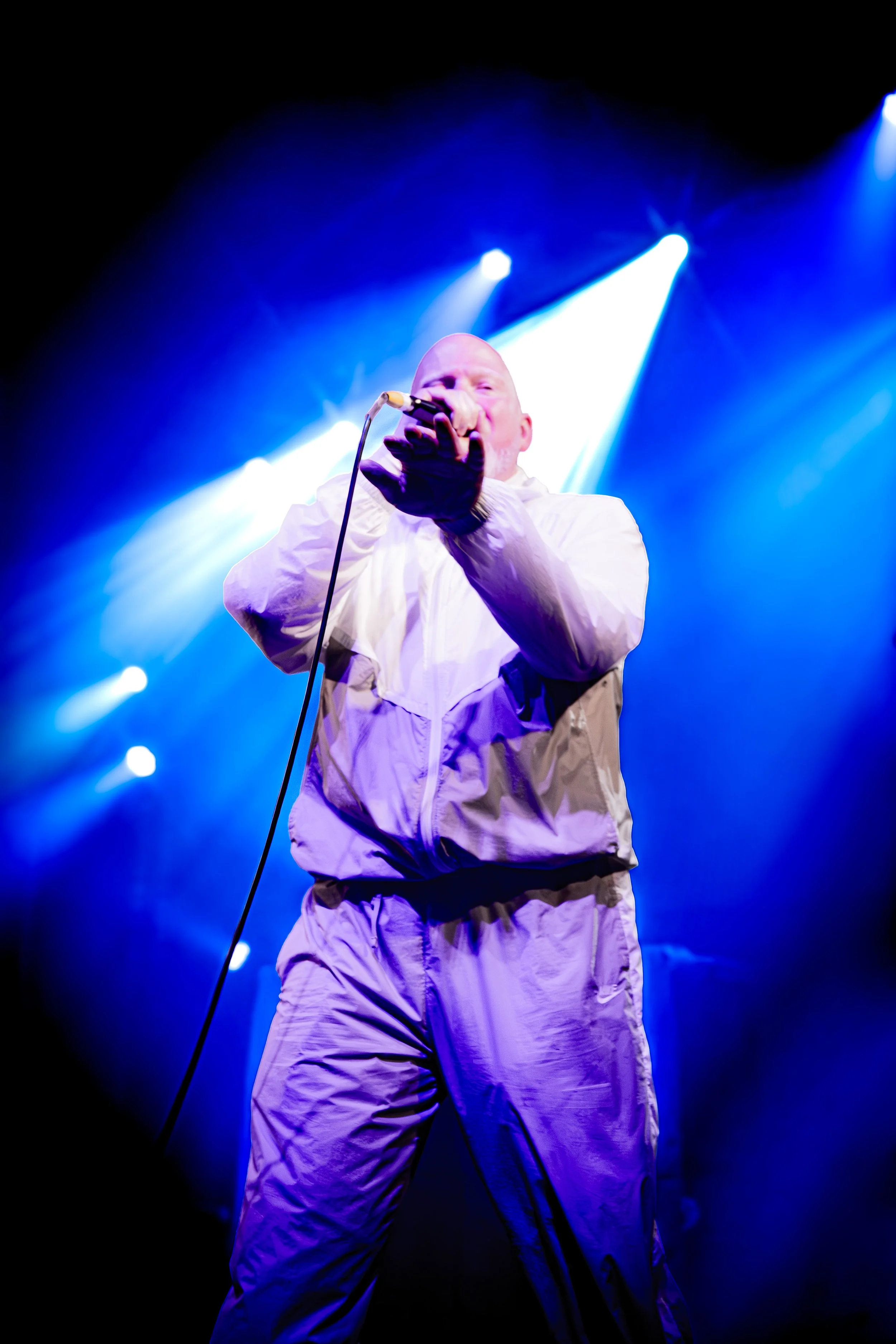
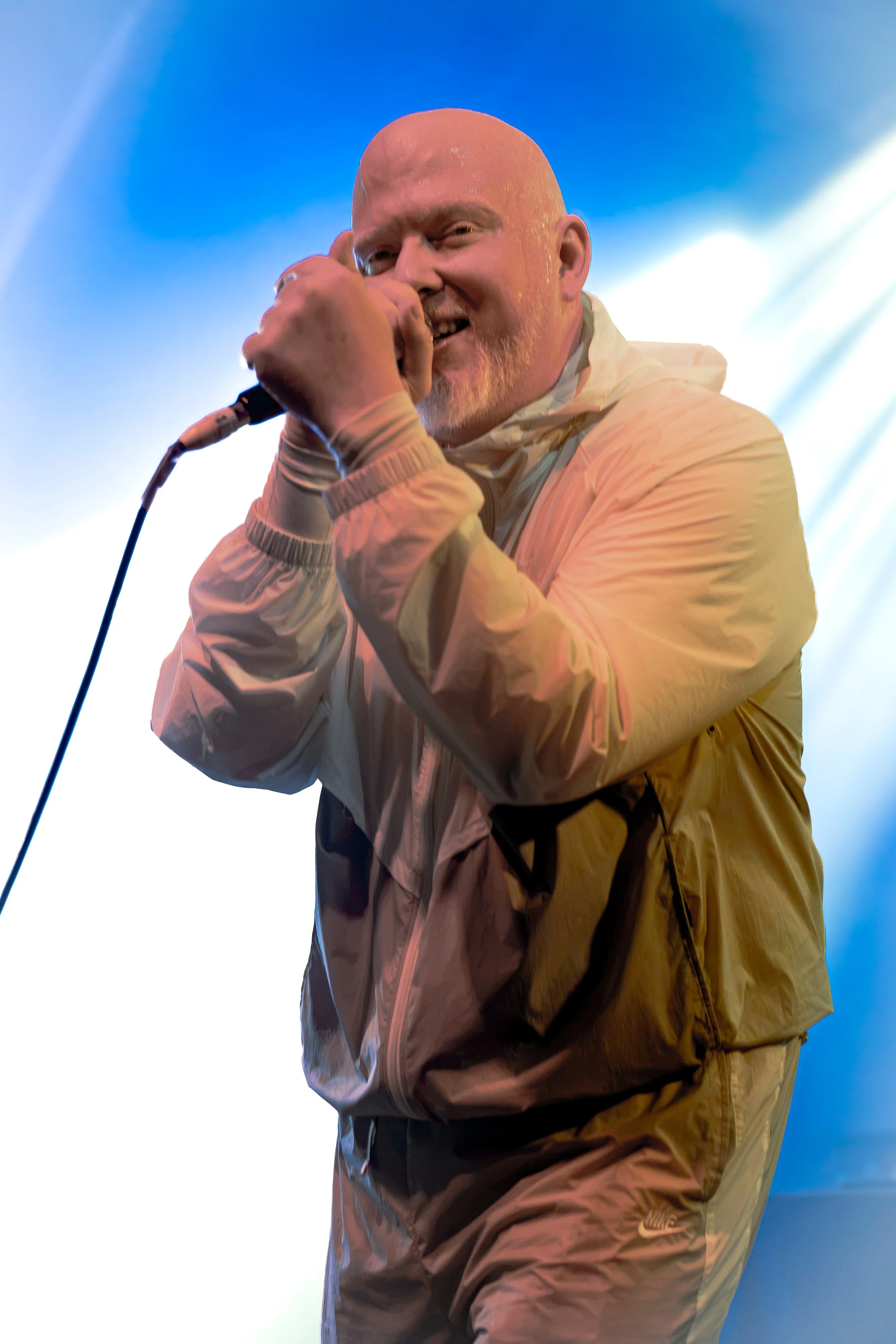
Later, Ali got behind the decks himself — and promptly broke something.
“Come on,” he exclaimed. Instead of the momentum collapsing, the crowd immediately rallied behind him. “You got this, brother” came from a member of the crowd. Then came the beatboxing, and bloody hell.
With the crowd carrying the vocal response, Ali beatboxed underneath them, turning himself into the rhythm section while hundreds of people sang over him. It was one of those moments that reminded you how much technical skill sits underneath the warmth and humour. Hip-hop fans were being thoroughly spoiled.
Material from across Ali’s career sat beside his newer work, while ‘In the Name of the One’ sent the room particularly wild. Ali noted that he had written it around twenty years ago, yet Brisbane screamed the lyrics back without skipping a beat. Age didn’t seem particularly relevant tonight. Ali danced like somebody who hadn’t already been doing this for more than twenty years.
But the emotional centre of the set arrived when everything softened. Ali spoke about survivors. He asked how many people in the room had lived through something that should have killed them and were still here tonight. Suddenly, the energy changed.
The crowd that had spent much of the evening screaming and dancing became quieter and more vulnerable. There were tears. People listened. For a little while, it felt as though Brother Ali had simply decided to take care of the room.
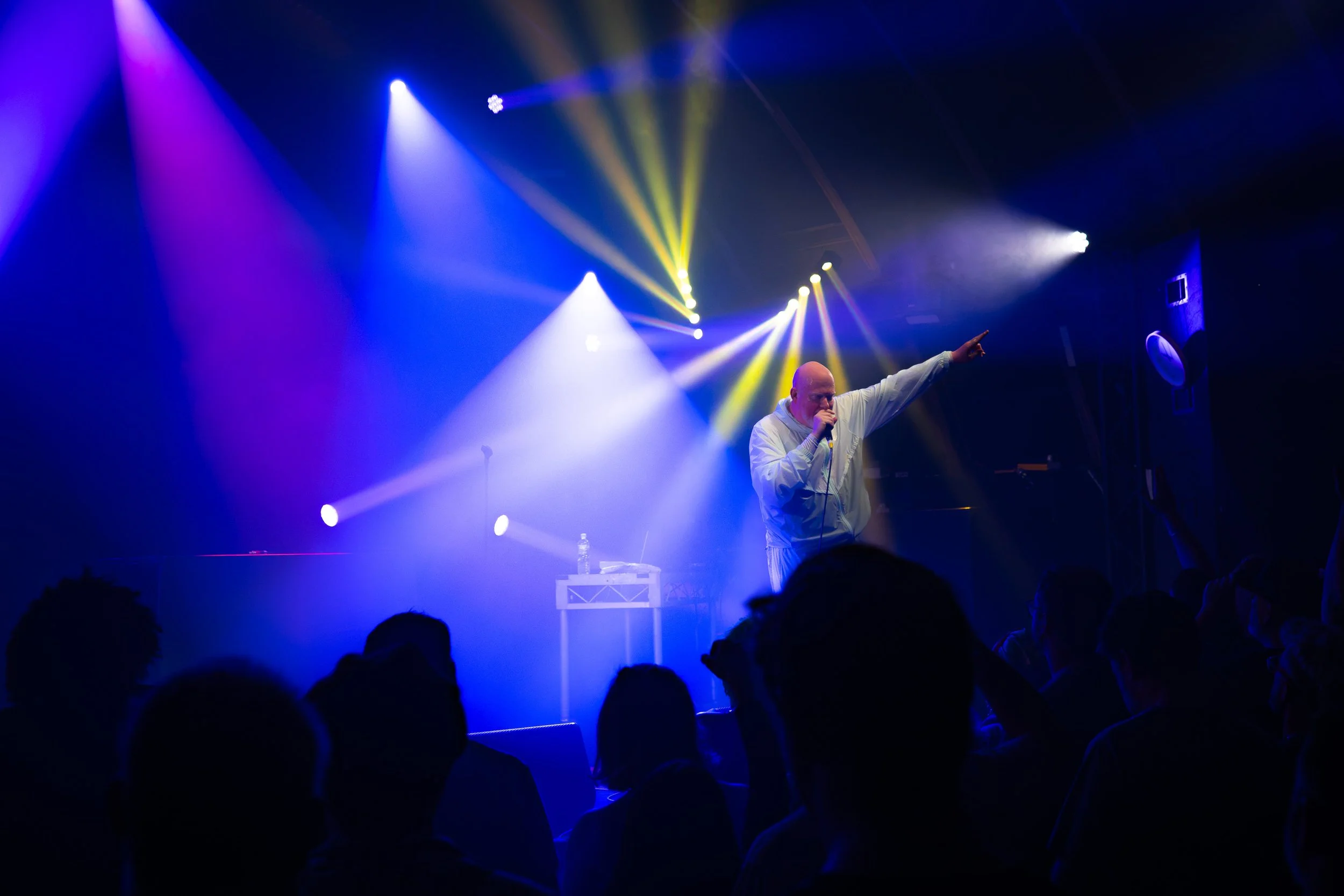
He told us that one of the hardest songs he had ever written was connected to his wife, before taking the long route through the story of how they met.
During the era of Shadows on the Sun, Ali had been touring when he met a woman in New York. She told him she hadn’t heard his set or his music but had heard that he was amazing and wanted to know him. They sat in a diner talking before travelling by train to Philadelphia together. What began as a meeting stretched across the weekend, and before they parted, he gave her a copy of Shadows on the Sun.
Twenty-three years later, he was standing in Brisbane telling a room full of strangers how deeply he still loved her. More importantly, he spoke about watching somebody he loved survive, heal and grow. Ali was careful with the distinction. Her experiences were not his story to tell. As a man, he said he couldn’t tell a woman’s story for her. What he could tell was his own first-person experience of witnessing her survival and growth.
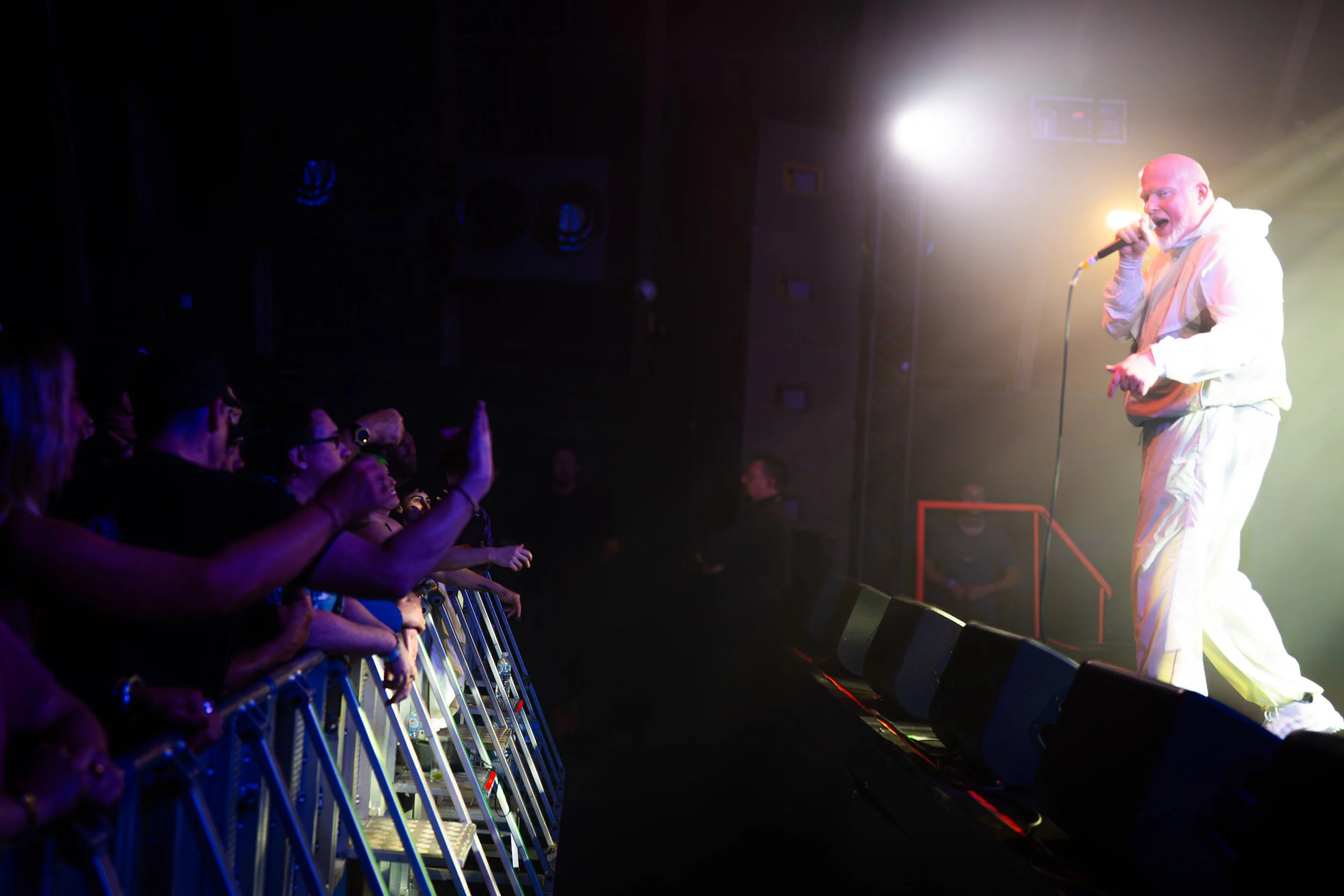
He spoke proudly about her becoming a therapist and helping women who have experienced similar things. At one point, he apologised for taking so long telling the story. “We love it!” came immediately from the crowd.
The following music landed differently because of it. Words about fear, survival and testing the waters by finally telling somebody what had happened carried considerably more weight after hearing where they came from. Around the room, people were crying, supporting one another and responding as Ali affirmed belief in survivors.
The room felt held. And then, because apparently we weren’t going to spend the remainder of the evening collectively sobbing, Brother Ali brought the party back. The beats picked up. Brisbane started bouncing again. The room smiled and sang. Ali described one track as the stupidest song he’d ever written and admitted he knew it was stupid while he was writing it, which only seemed to make everybody enjoy it more.
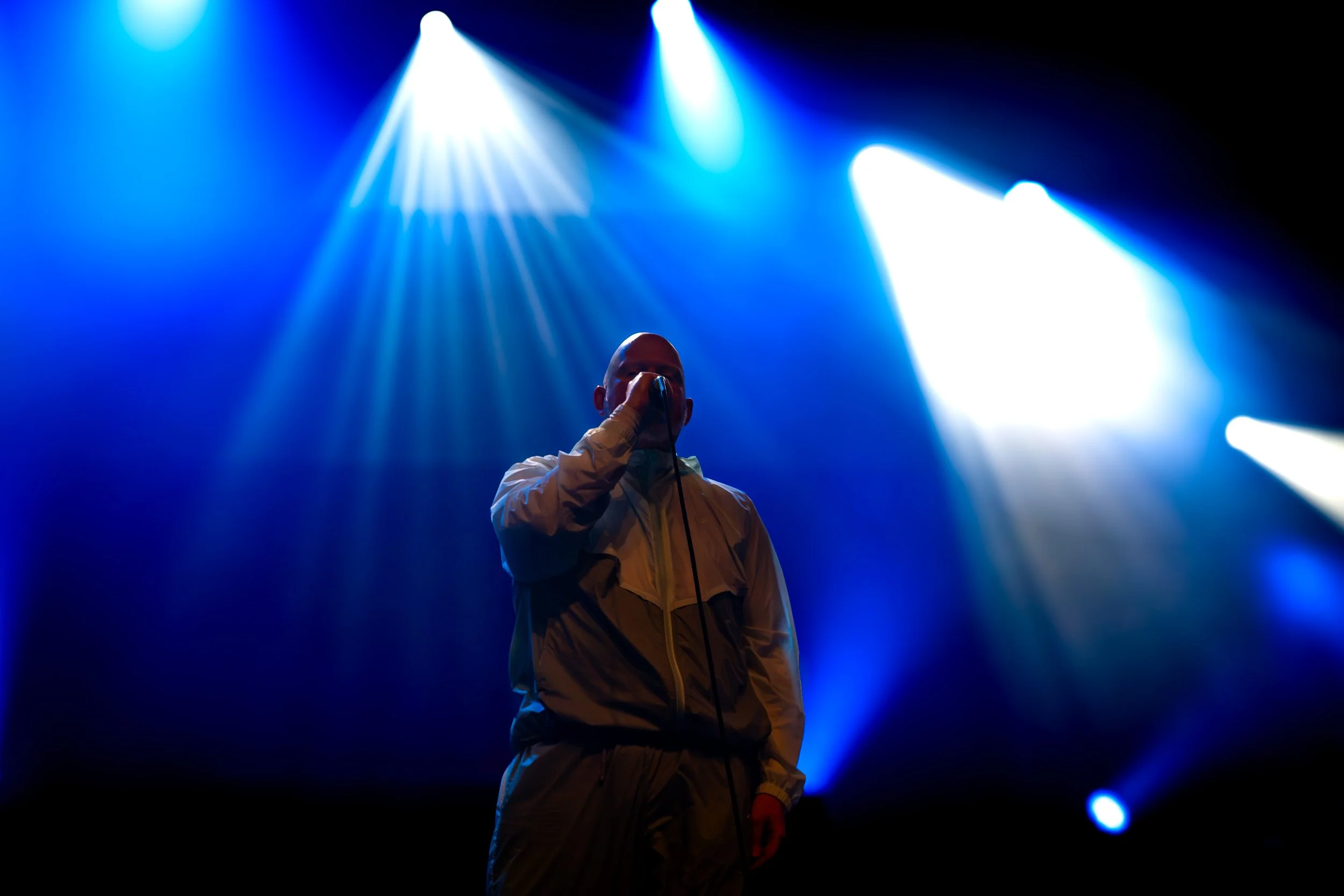
“Who’s your daddy?” entered proceedings and, for the duration of a song, Brisbane seemed entirely comfortable accepting Brother Ali as “Daddy Ali”.
The soul hip-hop groove returned in full force.
That was perhaps the most striking thing about the entire set: Ali could move the room between emotional extremes without either one feeling manufactured. One moment he was discussing survival and watching somebody he loves heal; shortly afterwards, hundreds of people were dancing and laughing again.
Neither cancelled the other out.
For a man who had just told us he had almost not been allowed into the country because of allegations surrounding the messages in his work, Brother Ali spent an extraordinary amount of his Brisbane show making people feel loved.
And he was clearly receiving that love back.
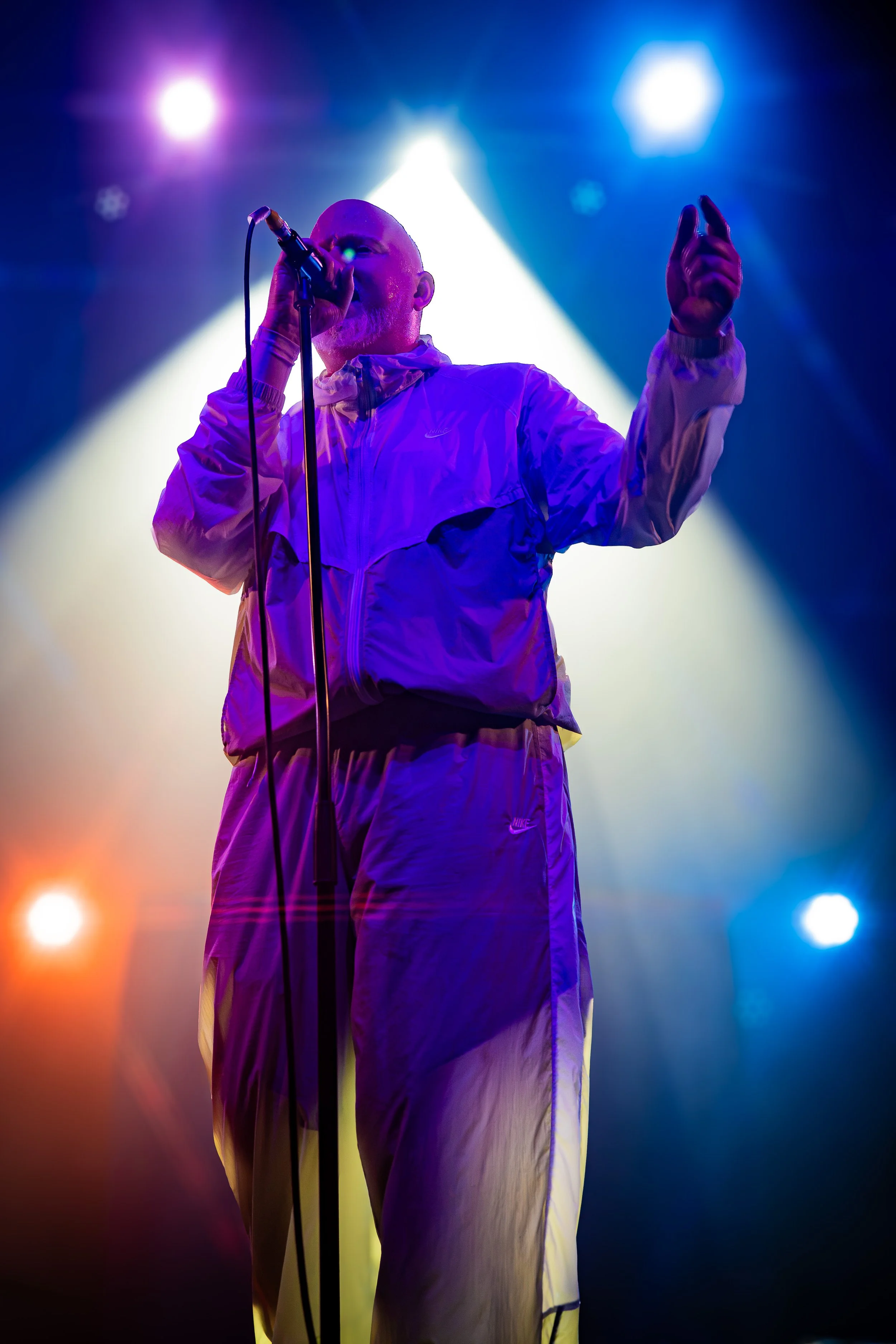
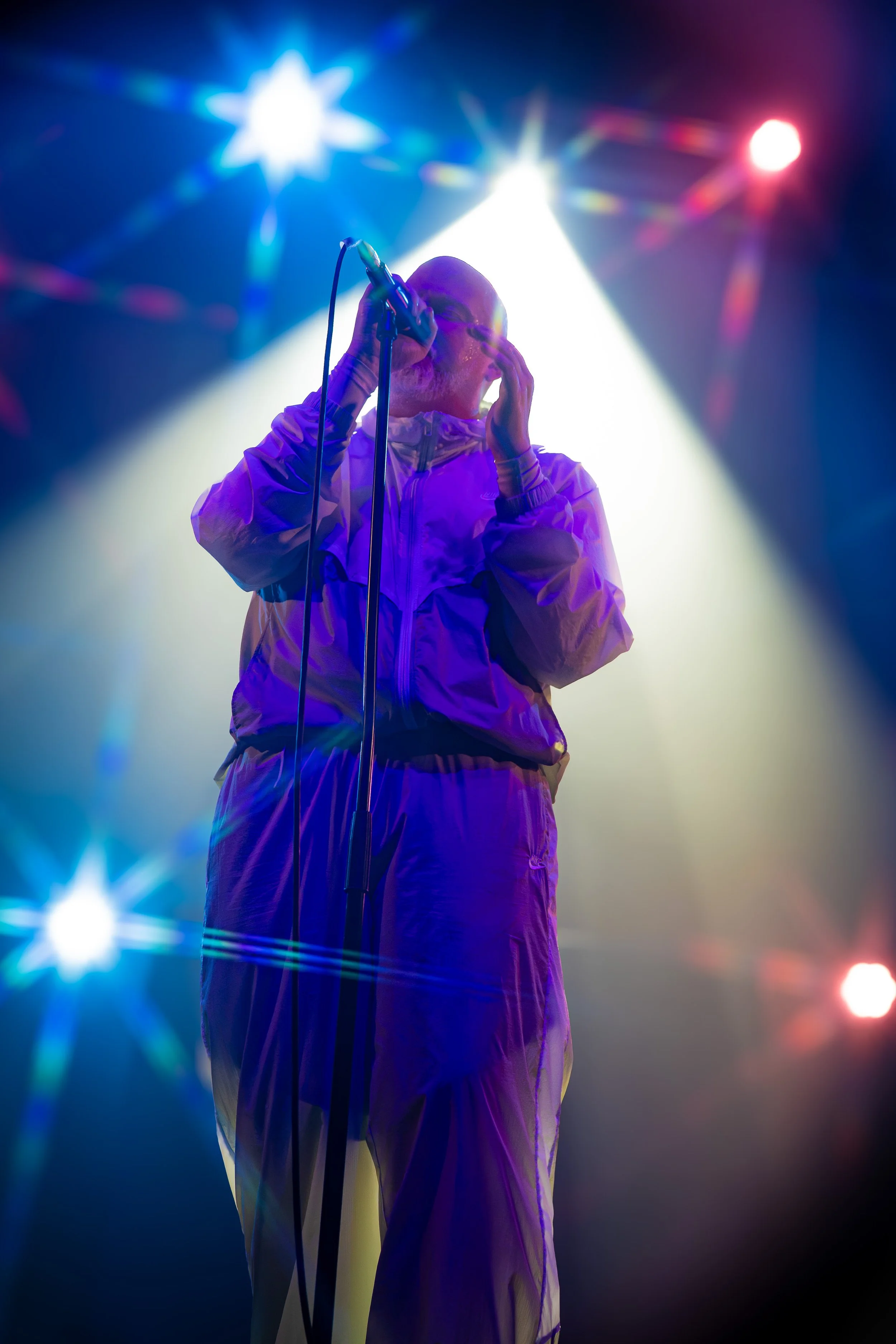
You could see how much he enjoyed himself. Eventually, it stopped feeling like we were watching somebody perform. This was simply a hip-hop party at The Triffid, and Brother Ali happened to be the person running it, and maybe the person having the most fun.
Toward the end, he asked everyone to shout the names of people they loved into the air.
The result was wonderfully messy: dozens upon dozens of different names and voices colliding above the crowd while Ali stood onstage listening with a genuine smile.
“Thank you for tonight.”
He joked that as long as Australia continued giving him a visa, he’d be back.
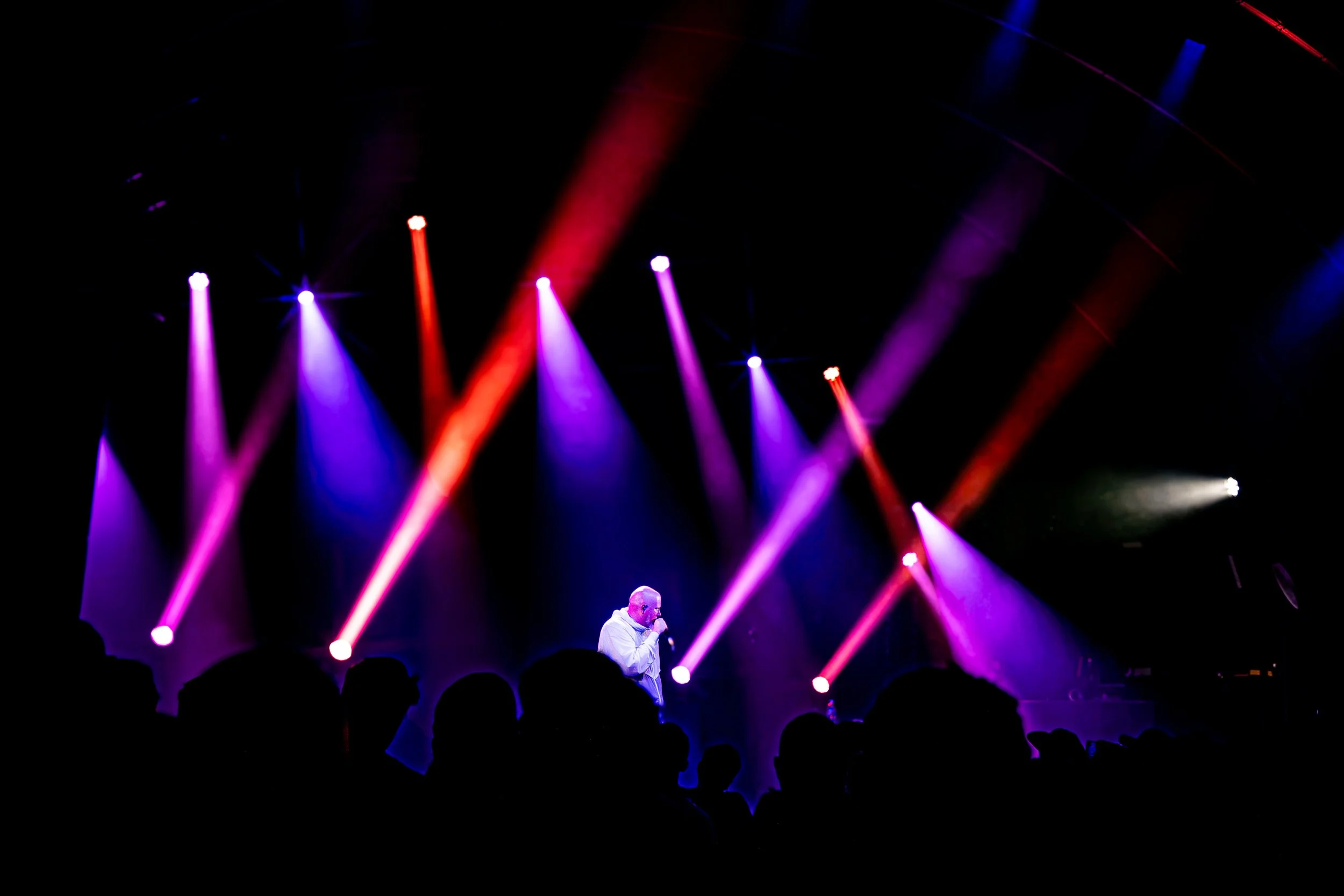
For the final stretch, the mood became nostalgic and appropriately slow. After a night that had travelled through celebration, humour, politics, survival, love, old-school hip-hop and more than twenty years of music, there was no need for an enormous theatrical conclusion.
Horrorshow had begun the night by telling us what Brother Ali meant to an 18-year-old Solo. Hours later, Ali had demonstrated exactly why that kid had bought the plane ticket. Brisbane walked out of The Triffid after a damn good night of hip-hop, but it felt like we’d been given something beyond that too.
We’d been allowed to scream, dance, laugh and cry.
Then we were sent home feeling held.
